
D15 Landed Property FAQ
Straight answers about buying, selling, renting, tenure, financing and rebuilding in Telok Kurau, Joo Chiat and District 15.
Type a keyword to filter questions instantly.
Frequently Asked Questions
Browse by topic or use the search above to find answers about District 15 landed property.
Buying Landed Property in D15
Who can buy a landed house in Singapore?
Singapore citizens may buy landed residential property freely (subject to standard stamp duties). Singapore Permanent Residents and foreigners generally require approval from the Land Dealings Approval Unit (LDAU) under the Singapore Land Authority for restricted residential properties such as vacant land, terraced, semi-detached, detached houses and bungalows.
What types of landed homes are common in Telok Kurau and Joo Chiat?
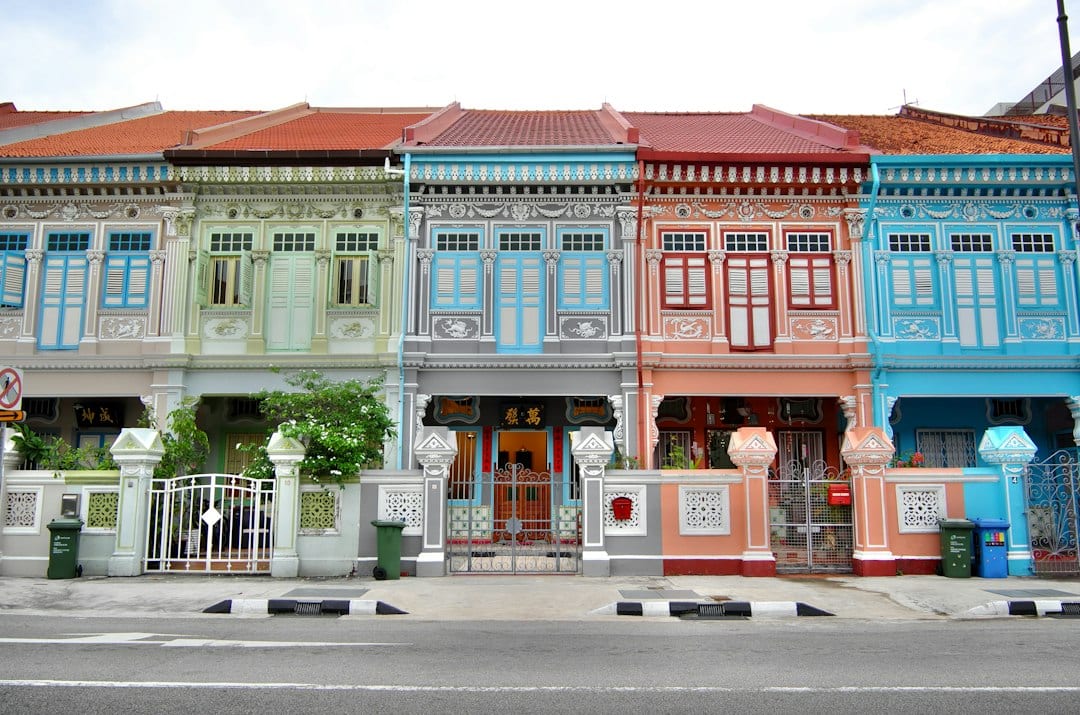
The area offers terrace houses, corner terraces, semi-detached houses, detached houses and small cluster-house developments. Street character varies from quiet estate roads to tree-lined heritage corridors. Read more on the Landed Property Types & Rebuilding page or explore the Telok Kurau Estate Guide.
What should I verify before making an offer?
Verify land tenure (freehold, 999-year or leasehold), land area, approved built-up area from URA records, existing use, encumbrances and any approved or unauthorised structures. Ask for verified URA floor plans and caveats before proceeding.
What is the difference between land area and built-up area?
Land area is the site area of the plot. Built-up area is the total covered floor area of the building measured to the external walls, as approved by URA. Plot ratio is the ratio of gross floor area to land area and affects redevelopment potential.
How do I compare asking price vs achieved price?
Asking prices are sellers' advertised expectations; achieved prices are the actual transacted prices recorded in URA caveats and published by data providers. Use both, with relevant transaction-month attribution, when assessing value. See the Buy and Sell pages for how Amber Liu approaches comparable analysis.
Selling Your Landed Property
How is my landed home valued?
Valuation considers location, land size, tenure, land shape, existing built-up area, condition, comparable caveated transactions, street appeal and redevelopment potential. Amber Liu prepares a comparable-market analysis using verified transaction data. Learn more about the selling process.
Do I need to pay agent commission when selling?
Co-broke commissions are negotiable and should be agreed in writing with your appointed estate agent. CEA publishes a non-mandatory commission guide for reference: cea.gov.sg.
What marketing materials do you provide?
A tailored marketing strategy can include professional photography, neighbourhood storytelling, plot diagrams, floor plans, digital listing exposure, targeted buyer outreach and private viewings. The approach is calibrated to the property and the market at the time of listing.
How long does the selling process take?
It varies by market conditions, pricing and buyer fit. After an offer is accepted, the Option-to-Purchase (OTP) and completion timeline is typically 10–12 weeks unless otherwise negotiated. Always seek legal advice from a qualified Singapore-law solicitor.
Renting Landed Property
What is the typical lease term for a landed rental?
Most landed rentals are offered on 24-month tenancies, often with a diplomatic clause after 12 months; shorter terms are sometimes negotiable. See the Rent page for current landlord and tenant advisory services.
What distinguishes asking rent from achieved rent?
Asking rent is the landlord's advertised rate; achieved rent is the contracted rent recorded in the tenancy agreement. Both should be compared against recent verified rental comparables.
Do landlords need a property agent?
Landlords commonly appoint a CEA-registered agent to market the property, conduct viewings, qualify tenants and manage paperwork. Amber Liu offers landlord advisory services for D15 landed homes. View the Rent page for more.
What deposits are standard?
A security deposit of two months' rent is common for unfurnished landed rentals, and one month for furnished rentals, but terms are negotiable. Always document all terms in a written tenancy agreement.
Tenure & Ownership
What does freehold vs 999-year vs leasehold mean for landed homes?
Freehold ownership has no expiry; 999-year leases are effectively freehold-like; leasehold properties have a finite term that affects financing, future value and en-bloc potential. Buyers should check the title document or URA and INLIS records.
Can a trust hold a landed property?
Structuring ownership through a trust is possible but has stamp-duty, legal and regulatory implications. Seek advice from a Singapore-qualified lawyer and tax advisor.
Financing & Stamp Duty
How much can I borrow for a landed property purchase?
Loan-to-value limits depend on the buyer's existing property loans, loan tenure, age and the property type, governed by MAS rules. Contact a mortgage banker or licensed financial adviser for an in-principle approval.
What stamp duties apply?
Buyers may be subject to Buyer's Stamp Duty (BSD), Additional Buyer's Stamp Duty (ABSD) and Seller's Stamp Duty (SSD) depending on holding period, residency status and property count. Rates and rules are set by IRAS; use the IRAS stamp-duty calculators.
Are landed properties eligible for CPF usage?
CPF Ordinary Account savings may be used for the purchase of a residential property with a remaining lease of at least 20 years that covers the youngest buyer until at least age 95, subject to CPF rules.
Foreign Ownership Approval
Can a foreigner buy landed property in District 15?
Foreign persons, including permanent residents in many cases, must apply to LDAU under SLA for approval to acquire restricted residential property. Approval is granted only under limited circumstances and is generally restricted to a single property for owner-occupation.
Does a Singapore PR need approval to buy a terrace house?
Yes, PRs generally require LDAU approval to purchase restricted landed residential property, including terrace, semi-detached and detached houses.
Rebuilding & A&A
What is the difference between rebuilding and Additions & Alterations (A&A)?
Rebuilding means demolishing the existing structure and constructing a new one. A&A retains the existing structure while extending or altering it. URA guidelines set out what qualifies as A&A (commonly retaining at least 50% of the existing built structure) versus reconstruction.
What planning controls affect landed redevelopment in D15?
Controls include plot ratio, setbacks, storey-height limits, site coverage, building-form guidelines for conservation and heritage areas where applicable, and Urban Design Guidelines. Always check the latest URA Master Plan and Development Control parameters.
Do I need an architect for a rebuild?
Rebuilding requires a qualified architect registered with the Board of Architects (BOA) and a professional engineer. Amber Liu's architectural background can help owners understand feasibility before they engage the design team. Read more on the Landed Property Types & Rebuilding page.
No questions matched your search. Try a broader keyword, or ask Amber directly.
Didn't find your answer?
Amber is happy to answer your specific question about District 15 landed property.
Fill in the form below, or arrange a valuation or market consultation.
Related Resources
Explore more guides and services for District 15 landed property.
Buy Landed Property
How Amber Liu helps buyers find and secure the right terrace, semi-D or detached home in D15.
Learn more →Sell Your Landed Property
Valuation, marketing and negotiation support for selling your Telok Kurau or Joo Chiat home.
Learn more →Rent Landed Property
Landlord advisory and tenant representation for D15 landed rentals.
Learn more →Telok Kurau Estate Guide
Street character, amenities and what makes this corner of District 15 distinctive.
Learn more →Property Types & Rebuilding
Terrace, semi-detached, detached and cluster housing — plus A&A and rebuild basics.
Learn more →Contact Amber
Arrange a private consultation to discuss your buying, selling or rebuilding plans.
Learn more →Important Notices
All listing and transaction data referenced on this page should be independently verified. Asking prices, achieved prices and rental asking rates are distinct measures and are labelled accordingly. Where market statistics are cited, they are attributed to reliable sources with the relevant month or reporting period.
This page does not contain invented awards, results, testimonials or property details. Regulatory information links to official sources including:
- Urban Redevelopment Authority (URA)
- Singapore Land Authority — Land Dealings Approval Unit (LDAU)
- Inland Revenue Authority of Singapore (IRAS)
- Council for Estate Agencies (CEA)
- Monetary Authority of Singapore (MAS)
- Central Provident Fund (CPF)
- Board of Architects (BOA)
The information on this page is for general guidance only and does not constitute legal, tax or financial advice. Seek qualified professional advice before making any property decision.
Amber Liu is a CEA-registered salesperson with Huttons Asia Pte Ltd. CEA Registration No.: R071128G. For general information only; all property details should be verified before reliance.